
Historic streets. Harbor views. A neighborhood for every kind of city day.
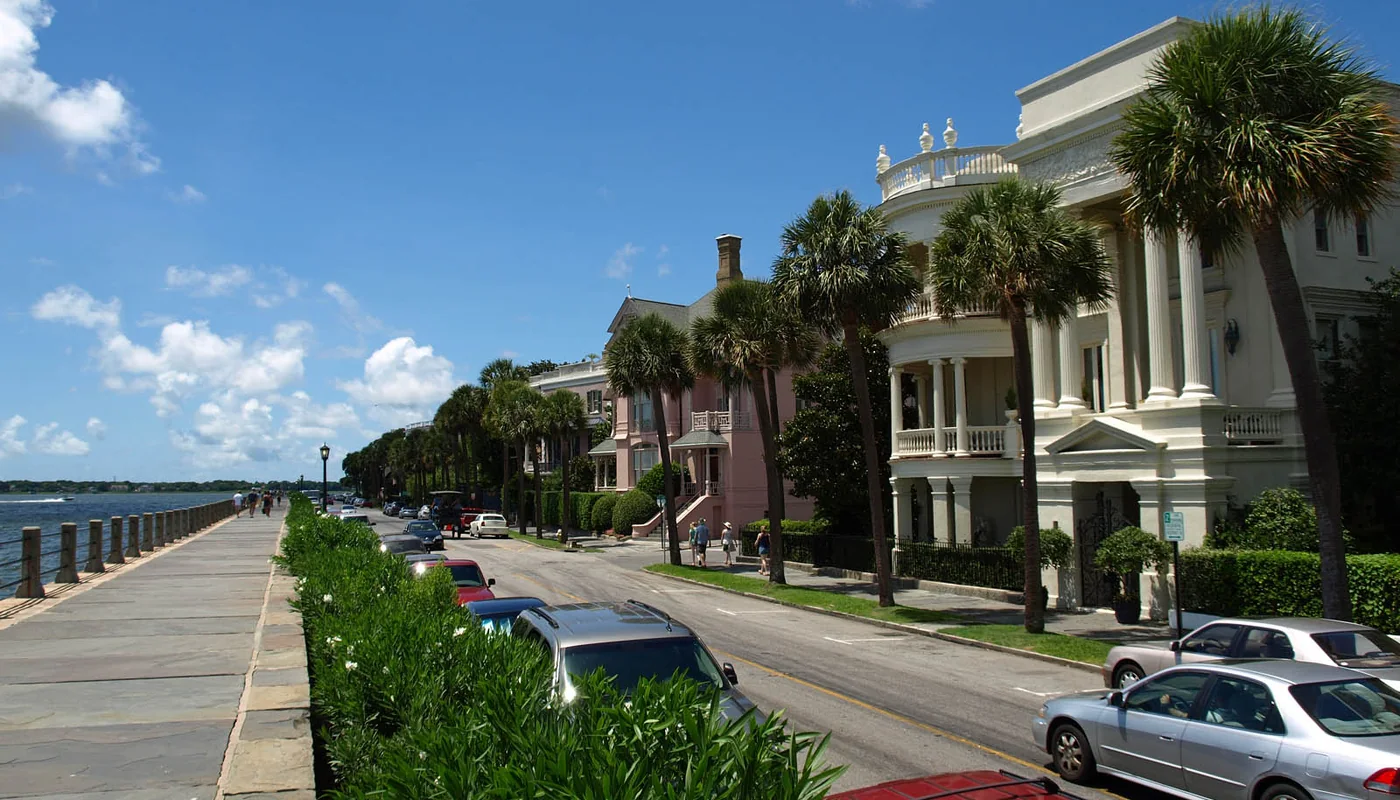

Downtown Charleston brings the city's architecture, food, arts, and waterfront into everyday reach. A morning might begin with coffee on a neighborhood corner, continue with a walk past garden gates and shaded piazzas, and end with dinner a few blocks from home. Yet the peninsula is much more varied than its postcard views suggest. The residential streets around Hampton Park offer a different experience from the French Quarter or the lower peninsula.
For buyers, that variety is the starting point. Choosing a downtown home means deciding which version of city living you want: a historic house with outdoor space, a condominium close to restaurants, or a home on a residential block with a familiar neighborhood rhythm.
Getting to know the peninsula
South of Broad is associated with historic homes and the harbor edge. The French Quarter places galleries, restaurants, and historic streets close together. Farther north, areas such as Cannonborough-Elliotborough, Hampton Park Terrace, and Wagener Terrace offer their own mix of residential blocks and nearby businesses. These names are useful starting points, but they do not replace exploring individual streets.
Walk the blocks around a potential home at different times of day. A location that feels wonderfully lively on a Saturday afternoon may have a different sound and pace on a weeknight. Notice deliveries, visitor activity, sidewalks, and the route from parking to your front door.
Homes with a sense of place
The peninsula's housing includes Charleston single houses, larger historic residences, cottages, townhomes, and condominiums. Details such as piazzas, courtyards, old brick, and tall windows can make a home memorable, while renovations can give similar-looking properties very different interiors.
Compare how the house works as carefully as how it photographs. Storage, stairs, natural light, parking, and outdoor privacy deserve a close look. With an older home, understanding past improvements and the care of original materials helps you plan for ownership. A condominium can simplify some exterior responsibilities, but its documents and shared expenses still matter.
Dining, shopping, and culture
King Street is a major shopping and dining corridor, with independent shops, established retailers, and restaurants across several distinct stretches. The Charleston City Market offers another way to explore local makers and the city's craft traditions. Smaller commercial pockets give residential neighborhoods places to stop for a meal or a coffee without making every outing a trip to the busiest visitor areas.
For a useful house-hunting day, pair showings with an ordinary errand and a meal nearby. That reveals more about living in the neighborhood than a tour of landmarks alone.
Parks and the waterfront
Waterfront Park connects the lower peninsula to Charleston Harbor, while Hampton Park offers an expansive green setting farther north. These are different kinds of outdoor spaces: one frames a walk around the water; the other can become part of a regular neighborhood circuit. The City's park directory is a useful way to find smaller parks near a particular listing.
Think about which outdoor space you would actually use several times a week. A courtyard, a nearby park, and a harbor walk each add something different to a downtown home.
Getting around and choosing schools
Walkability varies by block and destination. Check the route to groceries, work, and your preferred activities rather than assuming every downtown address supports the same routine. If you drive regularly, look at on-site parking and the bridges or major roads your trips require.
For public school research, start with Charleston County School District and confirm assignment using the specific property address. Choice programs and independent schools have their own application processes; proximity alone does not establish enrollment.
Start a focused downtown search
Begin with the features you cannot change easily: the block, parking, stairs, and the amount of outdoor space. Then compare condition and layout. Ask about any applicable historic-review requirements before planning exterior changes, and obtain property-specific information about drainage and insurance. Our team can help you connect the appeal of a particular home with the practical details of living there.
Common questions
Is downtown Charleston one neighborhood?
No. The peninsula contains several neighborhoods with different streetscapes, housing, and daily routines. Search by the areas you like, then compare individual blocks.
Can I find a home with parking?
Some properties include off-street parking or a garage; others rely on different arrangements. Confirm what belongs to the property and what is permitted before treating parking as included.
Explore local resources
Continue your research with these local organizations and destinations. Confirm current details directly when planning a visit or evaluating a property.
Your On The Coast Real Estate team
Find your place in Downtown Charleston.
Nicole, Yonni, and Melissa can help you compare homes, explore the area, and plan your next step. Tell us what matters most and we’ll help you build a focused search.